Animal Nutrition · Feed Enzymes
Animal Feed Enzyme Manufacturer — Phytase, Xylanase, Protease & Multi-Enzyme Blends
Pelleting-tolerant enzyme preparations that unlock the phosphorus, energy, and protein trapped in anti-nutritional factors — reducing feed costs, improving FCR, and cutting manure phosphorus in one intervention.
8+
Enzyme Types
6
Species Categories
30+
Export Countries
GMP
Certified Facility
BIS IS 1374 Compliant
Feed-grade approved
WHO GMP Certified
Certified manufacturing
NABL Accredited CoA
Activity unit verified
What We Supply
Feed Enzymes That Improve Nutrient Digestibility and Reduce Feed Costs
Plant-based feed ingredients contain significant quantities of phosphorus, energy, and protein that monogastric animals cannot digest without enzyme supplementation. Phytate binds phosphorus and minerals in an indigestible complex. Non-starch polysaccharides (NSPs) in cereals increase intestinal viscosity and impair nutrient absorption. Protease-resistant proteins in soyabean meal remain undigested and reach the large intestine where they fuel pathogenic bacteria.
Feed enzymes break these anti-nutritional factors. Phytase releases phytate-bound phosphorus — reducing or eliminating the need for expensive inorganic phosphate supplementation. NSP enzymes (xylanase, beta-glucanase, cellulase) reduce intestinal viscosity and improve energy digestibility. Protease supplementation improves amino acid availability from plant protein sources, reducing the total soyabean meal or synthetic amino acid inclusion required.
The economic case is compelling: the feed cost saving from phytase alone typically delivers 3–5× return on the enzyme cost within a single production cycle. Multi-enzyme combinations extend savings across multiple nutrients simultaneously.
Regulatory & Quality Standards
EU Feed Additives Regulation 1831/2003 (Zootechnical Additives)
European approval framework for feed enzymes — covers phytase, xylanase, beta-glucanase, and protease species-by-species authorisations.
EFSA Feed Additives Panel (FEEDAP) Safety Assessments
European enzyme safety and efficacy assessment methodology followed for all enzyme products we supply.
BIS IS 1374 / Feed Additives Regulations (India)
Indian Standards for permitted feed enzyme additives.
AAFCO Enzyme Definitions
North American regulatory definitions for enzyme activity units used in documentation for export markets.
Codex Alimentarius General Standards for Enzyme Preparations
International food safety standards for enzyme preparations — source organisms, production methods, and purity criteria.
WHO GMP (Current)
Manufacturing quality system governing fermentation, enzyme formulation, and batch release.
Product Range
Feed Enzyme Types We Manufacture
Phytase (3-phytase & 6-phytase)
Thermostable phytase from Aspergillus niger (3-phytase) and E. coli-derived variants (6-phytase) at 500–10,000 FTU/g. Releases phytate-bound phosphorus, reduces inorganic phosphate supplementation, and lowers manure phosphorus. Post-pelleting activity recovery >80% at 85°C.
Applications & Diet Types
NSP Enzyme Complex (Xylanase + Beta-Glucanase)
Endo-xylanase and beta-1,3/1,4-glucanase complex for wheat, barley, rye, and triticale-based diets. Reduces intestinal viscosity, improves energy digestibility, and increases effective energy value of NSP-rich cereals by 150–250 kcal/kg feed.
Applications & Diet Types
Protease Supplements
Subtilisin-type serine proteases and metalloendoproteases that improve amino acid digestibility from soyabean meal, rapeseed meal, and other plant protein sources. Reduces ileal protein flow and post-ileal fermentation — gut health benefit alongside protein matrix value.
Applications & Diet Types
Amylase Supplements
Alpha-amylase supplements for young animal diets where endogenous amylase secretion is insufficient for the starch load in starter feeds. Particularly valuable in maize-based diets for broiler chicks under 14 days and weaned piglets in the first week post-weaning.
Applications & Diet Types
Multi-Enzyme Combination Premixes
Broad-spectrum multi-enzyme products combining phytase + xylanase + protease + amylase in a single premix formulation. Matrix values certified for P, Ca, AME, and amino acids. Simplifies diet formulation software integration and reduces the number of feed additives managed.
Applications & Diet Types
Aquaculture Enzyme Premixes
Enzyme combinations designed for the pH conditions of fish and shrimp gastrointestinal tracts — broader pH stability range than terrestrial animal enzymes. NSP degradation in plant-based aquafeed, protease supplementation for alternative protein sources, and phytase for phosphorus management.
Applications & Diet Types
Technical Capabilities
How We Manufacture & Validate Feed Enzymes
Enzyme activity is the product — not the protein, not the fermentation broth, not the finished premix. Every step in our manufacturing and QC process is designed to verify that the declared enzyme units per gram are present and functional in the feed when the animal eats it.
Fermentation & Enzyme Concentration
Enzyme production through submerged or solid-state fermentation using approved microbial expression systems. Concentration, filtration, and formulation to achieve target activity per gram in the finished product.
Activity Unit Verification (FTU, XU, U/g)
Enzyme activity verified by validated substrate-specific assay methods (FTU for phytase, XU for xylanase, U/g for protease) on every commercial batch. NABL-accredited third-party CoA issued before dispatch.
Thermostability Assessment
Enzyme activity retention measured after exposure to pelleting temperature profile (70–90°C, 30–60 seconds). Results expressed as percentage activity retention at defined pelleting conditions.
pH Stability & Gut Simulation Testing
Enzyme activity profiled across pH 2.0–8.0 to confirm activity across the full gastrointestinal pH range for target species. Pepsin and bile stability testing for comprehensive gut-simulation validation.
Matrix Value Determination
Phosphorus, calcium, energy (AME/DE), and amino acid matrix values determined through in-vitro digestibility assays and available in-vivo trials. Certified matrix values provided for diet formulation software integration.
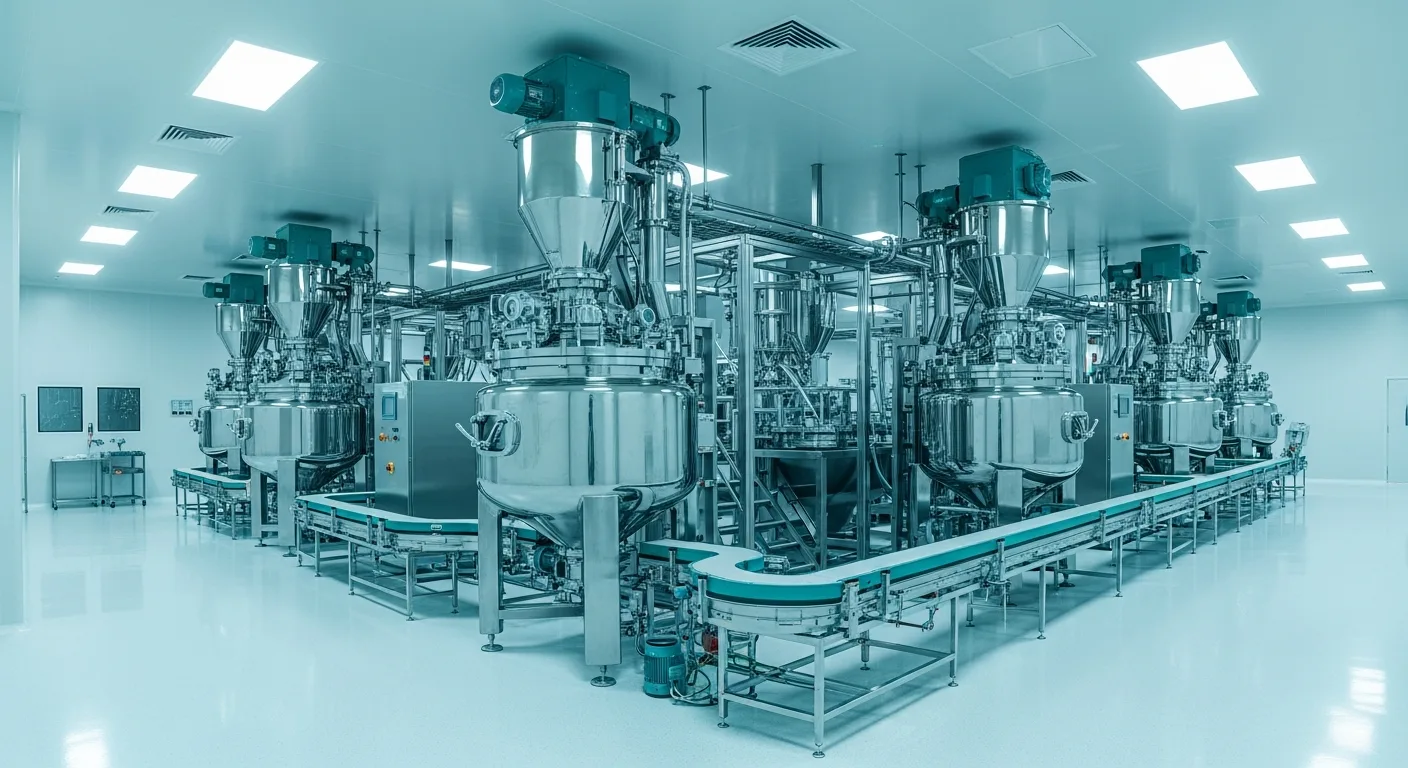
GMP-Certified Batch Production
Controlled fermentation environment, dedicated downstream processing, and full electronic batch record traceability from fermentation inoculum through finished product CoA.
Common Questions
Feed Enzyme FAQs
Case Studies
Delivering results for our clients
Client Voices
What our clients say
Animal Nutrition
Other solutions in this category
Dairy & Ruminant Nutrition
Precision premixes for high-production dairy cows, transition cow management, beef cattle finishing, and small ruminants — organic trace mineral options available.
Aquaculture Nutrition
Oxidation-resistant micronutrient premixes for salmon, shrimp, tilapia, and marine finfish — export-grade with EIC compliance documentation.
Swine Nutrition
Life-stage premix solutions for sow reproductive performance, piglet development, and grow-finish efficiency — organic trace mineral and antibiotic-reduction formats.
Equine & Specialty Livestock
Performance and health premixes for horses, breeding mares, foals, and specialty livestock including camelids, deer, and alpaca.
Pet & Companion Animal Nutrition
FEDIAF-compliant and AAFCO-aligned vitamin-mineral premixes for premium dog and cat food brands — all life stages, functional variants, and breed-specific formulations.
Get started
Get a Feed Enzyme Specification
Share your diet composition and performance targets — we'll recommend the right enzyme combination with matrix values and post-pelleting activity recovery data.